Berberine Supplement UK 2026: Doses, Evidence and How to Read a Label
🇬🇧 Prices in GBP · UK delivery · Not a medicineThe short answer
Berberine is a plant compound sold in the UK as a food supplement, not a medicine. There is no licensed berberine product in the UK, no MHRA dosing guidance, and the research on weight loss is not strong. What the evidence does support is a role in blood glucose and lipid metabolism at doses typically between 500 mg and 1,500 mg per day. The practical question is not "does berberine work" but "does this label tell me the dose and the form" — and most UK products do not.
Berberine searches in the UK rose more than 42% in January 2026 alone. Most of that traffic lands on pages that promise a "natural Ozempic" and never state a dose. This guide does the opposite: it sets out what the research actually shows, what a useful dose looks like, which forms absorb better, and how to check a label before you spend money.
In this guide
Eight sections, each short enough to read in a few minutes.
Want the label-first option?
Solvarex states all four ingredient amounts per daily serving — 250 mg berberine HCl, 360 mg inulin, 160 mg apple cider vinegar, 200 µg chromium. From £36.65 per jar with UK delivery.
Food supplement, not a medicine · UK delivery · 30-day returns on unopened jars
What berberine is
The compound, where it comes from and how it is classified in the UK.
Berberine is an alkaloid found in barberry, goldenseal and Oregon grape. In the UK it is sold as a food supplement — the same legal category as a vitamin, not the same as a medicine.
Why the category is confusing
The marketing often borrows language from prescription weight-loss treatment. Legally, a food supplement cannot make those claims. When a UK page calls berberine a "natural GLP-1", it is describing a hypothesis, not an authorised claim.
What the evidence shows
A plain summary of where the research is strong, weak or absent.
| Question | What the current evidence says |
|---|---|
| Weight loss | Weak. Boots Health Hub (Feb 2026): "Current clinical research does not provide strong evidence that berberine produces significant or long-term weight loss." |
| Blood glucose | The strongest signal in the literature. Effects reported on fasting glucose and HbA1c in some trials, at research doses. |
| Lipids | Some trials report improvements in total cholesterol and triglycerides. Effect sizes vary. |
| Gut microbiome | Early-stage research. Interesting, not established. |
| "Natural GLP-1" | No authorised claim. Berberine acts through AMPK activation, which is a different pathway to GLP-1 receptor agonists. |
The dose question
What the research uses, what the safety reports say, and how the dose is usually split.
Almost every UK berberine product hides its dose behind a "proprietary blend". This is legal, and it makes comparison impossible — you cannot check a number that is not printed.
Forms and absorption
The four forms you are most likely to see on a UK shelf or product page.
| Form | What to know |
|---|---|
| Berberine HCl | The most common and the most studied. Cheap, well characterised. Typical choice. |
| Berberine phospholipid | Some research suggests better absorption and fewer GI side effects (ConsumerLab, 2026). Usually more expensive. |
| Berberine phytosome | A branded delivery form. Claimed improved bioavailability; independent comparison data is limited. |
| Root powder | Lowest concentration. Hard to reach a meaningful dose without large capsules. |
How to read a UK label
Six checks you can run in under two minutes on any product page.
- Is the berberine amount stated per capsule or per serving?Per serving is what matters. Two capsules may be the serving.
- Which form is it?HCl, phospholipid or root powder. The label should say.
- Is there a third-party test mark?Look for USP Verified, NSF Certified for Sport or Informed Sport. Most UK berberine products have none.
- Does it claim weight loss?If yes, be more careful, not less. That claim is not authorised for a food supplement.
- Is the daily serving realistic?A serving that requires six capsules a day is a cost you should calculate before buying.
- What is the cost per gram of berberine?Divide the total price by the total berberine in the pack. This is the only fair comparison between products.
Safety and interactions
Who should speak to a professional first, and what side effects are commonly reported.
Speak to a professional first if you are
- pregnant or breastfeeding
- under 18
- taking prescription medication
- managing a diagnosed condition
- awaiting surgery
ConsumerLab published a heart caution regarding berberine supplements in September 2026.
Product example: Solvarex
A label that states all four numbers.
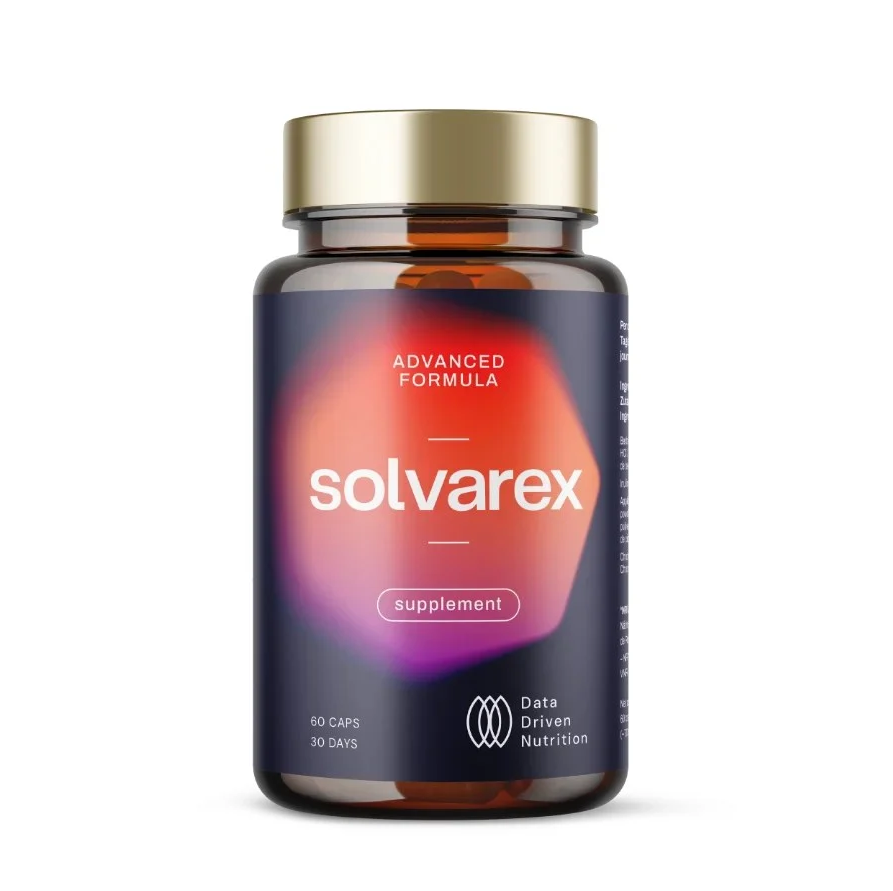
Solvarex is a UK-available food supplement built on exactly the four ingredients this guide discusses. Per two-capsule serving: berberine HCl 250 mg, inulin 360 mg, apple cider vinegar powder 160 mg, chromium picolinate 200 µg (714% NRV). No proprietary blend, no hidden amounts.
| Ingredient | Per serving |
|---|---|
| Berberine HCl | 250 mg |
| Inulin | 360 mg |
| Apple cider vinegar | 160 mg |
| Chromium picolinate | 200 µg |
£54.95 for one jar · £41.95/jar for two · £36.65/jar for three
Food supplement, not a medicine. 30-day returns on unopened jars.
£36.65 per jar on the three-jar routine
£109.95 total · delivery included · about £1.22 per day
Secure checkout · Klarna, PayPal, card
FAQ
Direct answers to the questions UK readers ask most.
Is berberine a "natural Ozempic"?
No. Berberine acts through AMPK activation, a different pathway from GLP-1 receptor agonists. No authorised claim of this kind exists for a UK food supplement, and the "natural Ozempic" label is a marketing shortcut, not a fact.
What is the right dose of berberine?
Published research typically uses 500–1,500 mg per day, usually split across the day. Speak to a healthcare professional to decide what is appropriate for you.
Should I take berberine with food?
Taking it with food is the usual advice, as it can reduce gastrointestinal discomfort.
Can I take berberine with metformin?
Berberine can interact with diabetes medication including metformin. Consult your GP or pharmacist before combining them.
How long does berberine take to work?
Studies often run for around 4 to 8 weeks, and the evidence on results is variable between people and trials.
Is berberine available without a prescription in the UK?
Berberine is sold in the UK as a food supplement, not a licensed medicine, so it is available without a prescription.
What is the difference between berberine HCl and berberine phospholipid?
HCl is the most studied and widely used form. Phospholipid forms may absorb better and cause fewer GI side effects, but they usually cost more.
Why do so many UK products hide the dose?
Proprietary blends are legal and allow low doses without disclosure, which makes comparison between products impossible.
Is there a money-back guarantee on UK berberine products?
Guarantees vary by seller. Solvarex offers 30-day returns on unopened jars; check the current policy at checkout.
Where this leaves you
A short closing view on the evidence and the market.
Two things are true at once. Berberine has a real metabolic mechanism and a body of research behind it — enough that it is worth considering as a supplement. And the UK market around it is noisy, claim-heavy and mostly vague about dosing. The useful move is not to find the product with the boldest promise, but the one whose label lets you check the number against the research. Everything else is marketing.
Start with the label, not the promise
Solvarex states all four amounts. Read the full breakdown before you decide.
Important supplement information: Food supplements are not medicines. They are not intended to diagnose, treat, cure or prevent any disease and are not a substitute for a varied diet or healthy lifestyle. Outcomes differ among individuals. Do not exceed the stated daily dose. Keep out of reach of young children. Speak to a healthcare professional before use if you are pregnant, breastfeeding, taking medication or under medical supervision.
Transparency: this page contains affiliate links. We may earn a commission if you buy, at no extra cost to you. Prices and policies are as supplied on 31 October 2026 and may change. Confirm details at checkout.
This page is information, not medical advice.